
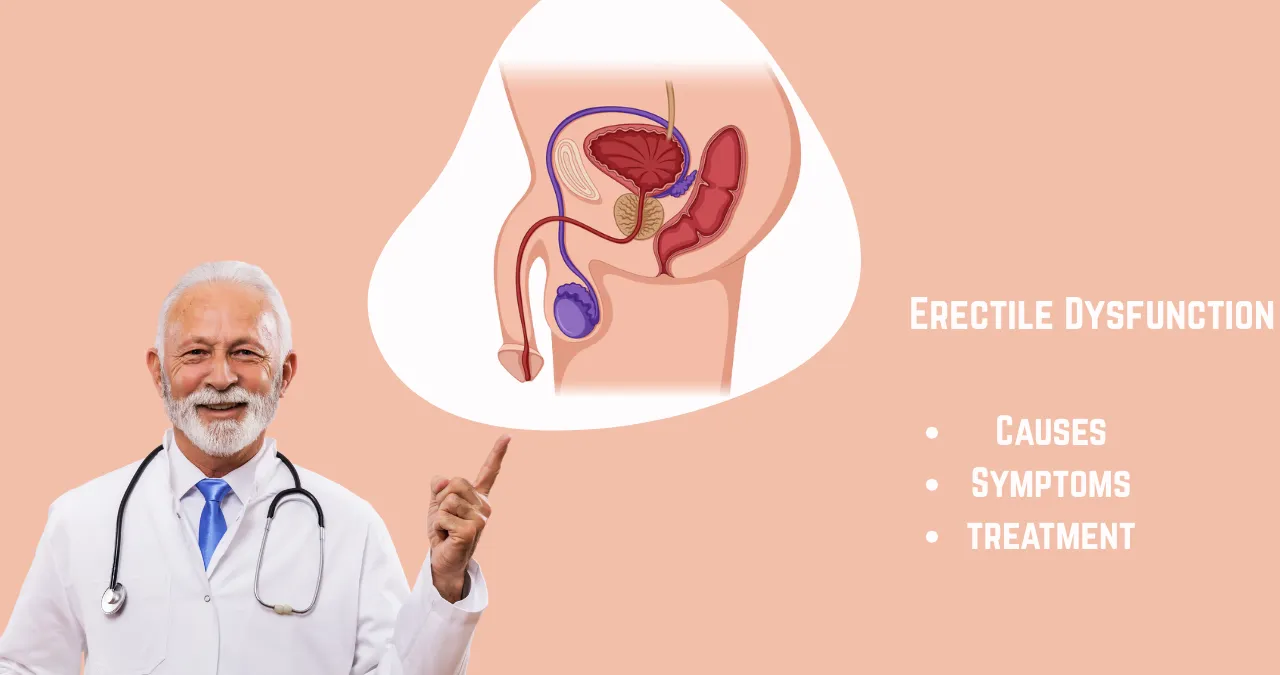
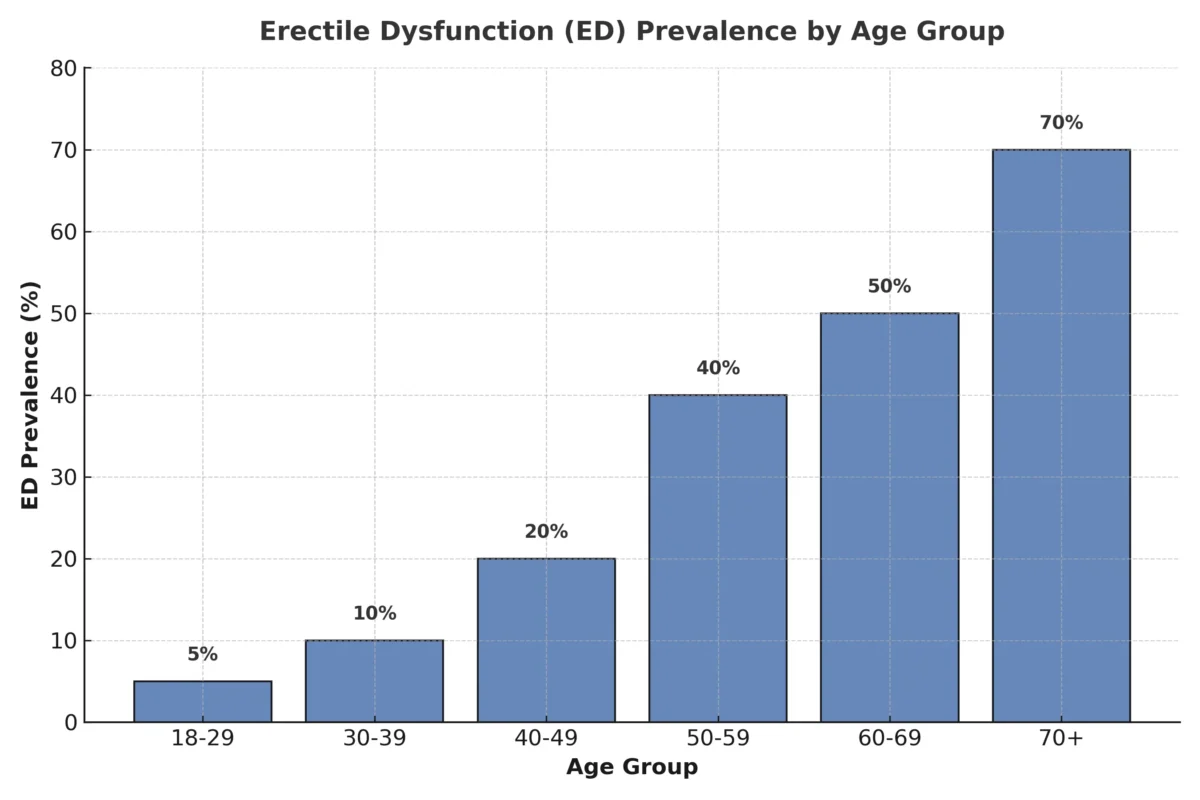
Erectile dysfunction, often shortened to ED, is a condition where a man has trouble getting or maintaining an erection that’s firm enough for satisfying sexual activity. It’s more common than you might think, especially as men get older. In fact, studies show that more than half of men between the ages of 40 and 70 experience some form of ED at some point. Globally, projections estimate that by 2025, around 322 million men could be affected by this issue. ED after 40 becomes particularly prevalent, with rates increasing significantly in older age groups—about 40% for men in their 50s and up to 70% for those over 70.
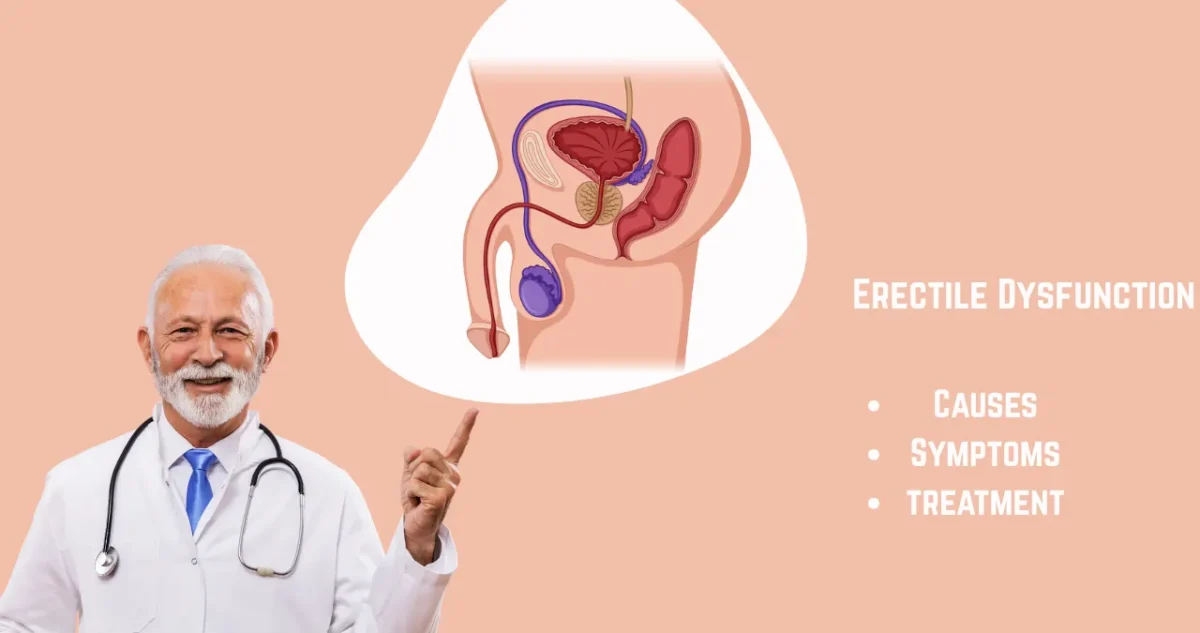
But why does this matter? ED isn’t just a physical problem; it can strain relationships, lower self-confidence, and even signal deeper health concerns like heart disease or diabetes. For both men and their partners, understanding erectile dysfunction causes, symptoms, and treatments is key to addressing it early and effectively. This article dives into all that, drawing from reliable sources to help you navigate options, from lifestyle changes for ED to medical treatments. Whether you’re dealing with signs of erectile dysfunction in men or just want to learn more, knowledge is the first step toward better health and intimacy.
What is Erectile Dysfunction?
Let’s start with the basics. Medically speaking, erectile dysfunction is the consistent inability to achieve or sustain an erection sufficient for sexual intercourse. It’s important to distinguish this from occasional hiccups—everyone has off days due to fatigue or stress. Chronic ED, however, happens more often than not and persists over time.
According to the National Institutes of Health (NIH), ED affects millions worldwide, with prevalence rising sharply with age. For instance, only about 5% of men in their 20s report issues, but that jumps to 20% in the 40s and over 50% by the 60s. Globally, older estimates projected 152 million cases in 1995, rising to 322 million by 2025 due to aging populations and increasing chronic diseases. In the U.S. alone, around 30 million men are impacted, making it a major men’s health concern.
ED isn’t inevitable with age, though. Many factors play a role, and recognizing it early can lead to better outcomes. If you’re wondering about erectile dysfunction in men, know that it’s treatable in most cases, often through a mix of medical and lifestyle approaches.
Causes of Erectile Dysfunction
Understanding erectile dysfunction causes is crucial because they can be physical, psychological, or tied to daily habits. Often, it’s a combination, so pinpointing the root helps tailor treatments.
a) Physical Causes
Physical issues are behind about 80% of ED cases. Heart disease tops the list—clogged arteries (atherosclerosis) reduce blood flow to the penis, just like they do to the heart. Diabetes damages nerves and blood vessels, with up to 75% of diabetic men experiencing ED. Obesity and high blood pressure also contribute by impairing vascular health.
Hormonal imbalances, like low testosterone, affect libido and erection quality. Neurological conditions such as Parkinson’s disease or multiple sclerosis disrupt nerve signals. Even medications for blood pressure or depression can have ED as a side effect—about 25% of cases are drug-related.
b) Psychological Causes of ED
The mind plays a big role too. Stress and anxiety can create a vicious cycle: worry about performance leads to failure, which amps up the anxiety. Depression affects brain chemicals involved in arousal, and relationship issues—like poor communication—can worsen things. Performance anxiety is common in younger men, where psychological factors dominate.
Can stress cause erectile dysfunction? Absolutely—chronic stress raises cortisol, which interferes with testosterone and blood flow.
c) Lifestyle-Related Factors
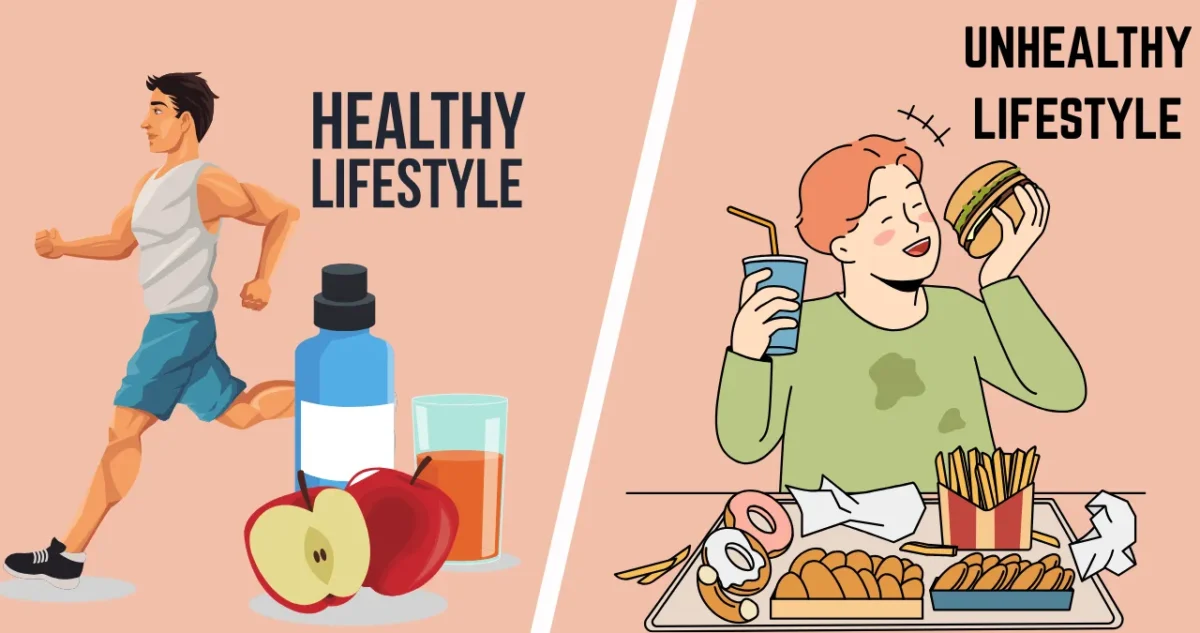
Bad habits pile on the risk. Smoking damages blood vessels, doubling ED chances. Excessive alcohol depresses the nervous system, while drugs like cocaine constrict vessels. A sedentary lifestyle leads to weight gain and poor circulation—men who exercise regularly have a 30% lower risk. Poor diet, high in processed foods, and lack of sleep disrupt hormones and energy levels.
Erectile dysfunction risk factors include age, but lifestyle choices amplify them. Addressing these early can prevent or reverse ED.
Symptoms of Erectile Dysfunction
Spotting erectile dysfunction symptoms early can make a big difference. The main ones are difficulty achieving an erection, trouble maintaining it during sex, and reduced sexual desire. You might get an erection sometimes but not reliably, or it might not last long enough.
What are the first signs of erectile dysfunction? Often, it’s softer erections or needing more stimulation than before. Psychological symptoms include stress, low confidence, and strained relationships—ED can lead to avoidance of intimacy, creating emotional distance.
How does a man feel when he has ED? Many describe frustration, embarrassment, and a hit to their masculinity. The relationship impact of erectile dysfunction is real; partners might feel rejected, leading to arguments or resentment. Open talk helps.
Diagnosis of Erectile Dysfunction
Diagnosis starts with a chat about your medical history and a physical exam. Your doctor might check for heart issues or hormone levels via blood tests—things like blood sugar for diabetes or testosterone counts.
Lab tests could include cholesterol checks or a nocturnal erection test to see if you get erections while sleeping (normal men have 3-5 per night). Psychological evaluation might involve questionnaires on depression or anxiety.
How to know if a man has erectile dysfunction? Consistent issues over months, not just one-offs. How can I test for erectile dysfunction at home? Track patterns in a journal—note when it happens, stress levels, etc.—but see a doctor for accuracy.
Treatment for Erectile Dysfunction
Good news: ED is treatable. How is erectile dysfunction treated medically? Options range from pills to therapy.
a) Medical Treatments
Prescription medications like sildenafil (Viagra) or tadalafil (Cialis) boost blood flow by enhancing nitric oxide effects. They’re effective for 70% of men but need stimulation to work. Hormone therapy helps if testosterone is low.
For severe cases, vacuum pumps draw blood into the penis, or implants provide a permanent solution. No promotion here—just facts from sources like Mayo Clinic.
b) Psychological Therapy
Counseling tackles anxiety; cognitive behavioral therapy rewires negative thoughts. Couples therapy improves communication, reducing relationship strain.
c) Lifestyle Modifications
What lifestyle changes improve erectile dysfunction? Exercise—like 30 minutes of walking daily—boosts circulation. A Mediterranean diet rich in fruits, veggies, and fish cuts ED risk by 40%. Stress reduction via yoga or meditation helps, as does quitting smoking and limiting alcohol.
Natural remedies for erectile dysfunction include Panax ginseng, which may improve function per some studies, but evidence is mixed—consult a doctor. How to manage erectile dysfunction without pills? Focus on these changes first.
Is erectile dysfunction permanent? Rarely—most cases improve with treatment.
Living with Erectile Dysfunction
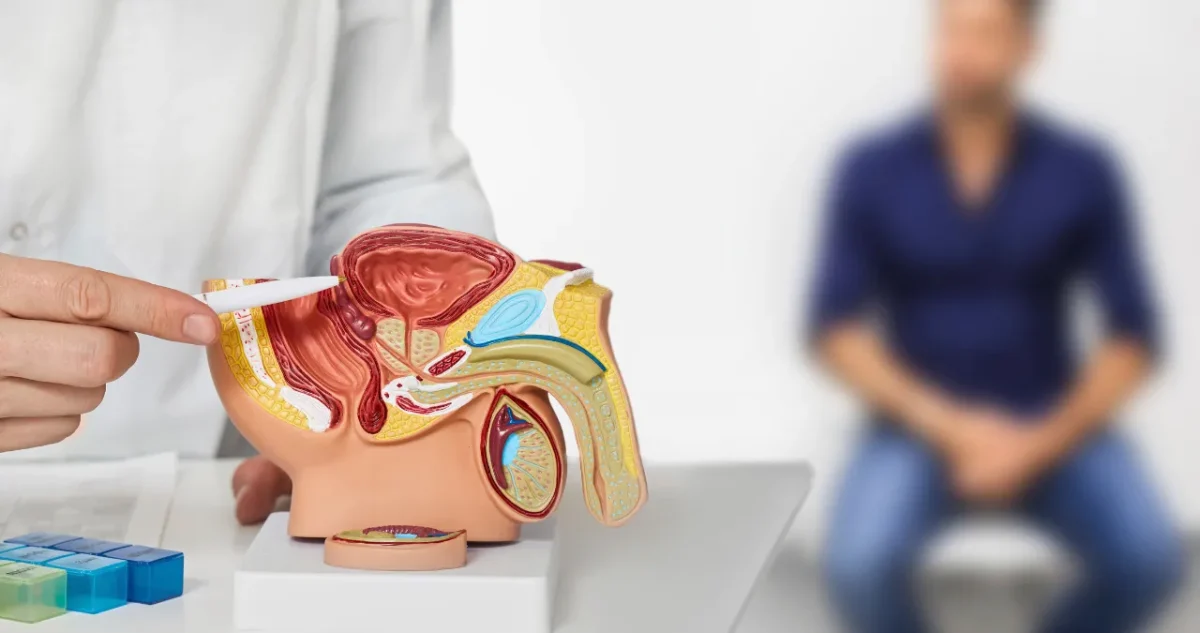
Living with ED means adapting. Couples can support each other by focusing on non-penetrative intimacy and open talks. Reducing stigma is key—seek help early to avoid isolation.
Long-term outlook? Positive for most, with treatments restoring function. Psychological support rebuilds confidence.
Prevention of Erectile Dysfunction
Prevention ties back to healthy choices. Regular exercise, balanced diet, and managing conditions like diabetes ward off ED. Mental health care—therapy for stress—matters too.
Routine check-ups catch issues early. Quitting smoking and moderating alcohol lower risks significantly.
FAQs
How to handle erectile dysfunction?
Start by talking to a doctor for a proper diagnosis. Combine medical treatments if needed with lifestyle changes like exercise and stress management. Open communication with your partner is essential.
What is the best remedy for ED?
How does a man feel when he has ED?
Often frustrated, embarrassed, or less confident. It can lead to anxiety and strain relationships, but support helps.
What is the best natural drink for erectile dysfunction?
Evidence is limited, but pomegranate juice may improve blood flow per some studies. Always check with a doctor—it’s not a cure-all.
How can I test for erectile dysfunction at home?
Monitor erection patterns over weeks, noting frequency and firmness. Tools like erection rings exist, but professional tests are more accurate.
How to know if a man has erectile dysfunction?
Look for consistent trouble with erections, reduced desire, or psychological signs like avoidance of sex.
How many erections per night?
Healthy men have 3-5 erections per night during REM sleep, lasting about 25-35 minutes each.
Conclusion
Erectile dysfunction is common, affecting millions, but it’s highly treatable. From understanding causes like heart disease or stress to exploring treatments such as medications or lifestyle tweaks, early action makes all the difference. Consult a doctor soon—don’t let embarrassment hold you back. With open communication, men and partners can reclaim intimacy and well-being. Remember, you’re not alone, and help is available.
Sources
Mayo Clinic – “Erectile dysfunction – Symptoms and causes” Link: https://www.mayoclinic.org/diseases-conditions/erectile-dysfunction/symptoms-causes/syc-20355776
NCBI Bookshelf (NIH) – “Erectile Dysfunction – StatPearls” Link: https://www.ncbi.nlm.nih.gov/books/NBK562253/
PubMed – “The likely worldwide increase in erectile dysfunction between 1995 and 2025 and some possible policy consequences” Link: https://pubmed.ncbi.nlm.nih.gov/10444124/
Johns Hopkins Medicine – “Erectile Dysfunction” Link: https://www.hopkinsmedicine.org/health/conditions-and-diseases/erectile-dysfunction
News-Medical.Net – “Mediterranean diet could be better than ‘Viagra’ for erectile dysfunction” Link: https://www.news-medical.net/news/20180831/Mediterranean-diet-could-be-better-than-Viagra-for-erectile-dysfunction.aspx
PubMed Central (PMC) – “Ginseng for erectile dysfunction” Link: https://pmc.ncbi.nlm.nih.gov/articles/PMC8094213/
Wikipedia – “Nocturnal penile tumescence” Link: https://en.wikipedia.org/wiki/Nocturnal_penile_tumescence
Men’s Health – “Here’s Why You Get Erections When You’re Dead Asleep” Link: https://www.menshealth.com/health/a19540431/nighttime-erections/